In the dynamic world of forex trading, traders are always on the lookout for the best forex strategy for consistent profits. Whether you’re a beginner or an experienced trader, having a well-defined strategy is crucial to navigating the complexities of global markets and achieving sustainable gains. This article aims to guide you through the essential components of successful forex trading techniques, focusing on risk management, technical analysis, and various trading styles that can help you thrive in the forex market.
Understanding Forex Trading

Forex trading, or foreign exchange trading, involves the process of buying and selling currencies in order to profit from fluctuations in their exchange rates. Unlike traditional stock markets, the forex market operates 24 hours a day and encompasses a vast network of banks, financial institutions, corporations, and individual traders. This continuous operation allows for high liquidity and numerous trading opportunities.
What is Forex Trading?

Forex trading is essentially the act of exchanging one currency for another at an agreed price. It is conducted over-the-counter (OTC), meaning it does not have a centralized physical location. Unlike equities, where trading occurs on exchanges, forex transactions take place between parties directly via electronic networks.
The forex market is the largest and most liquid financial market in the world, with a daily trading volume exceeding $6 trillion. Traders engage in speculation regarding currency pairs, analyzing economic indicators, geopolitical events, and market sentiment to make informed trades. The goal is to buy low and sell high, capitalizing on movements in exchange rates.
The Importance of a Trading Strategy

Having a trading strategy is paramount in the forex market. A well-constructed strategy serves as a roadmap, guiding traders through decision-making processes and helping them avoid emotional trading. In a market characterized by volatility and rapid changes, having a clear plan can mean the difference between success and failure.
A comprehensive trading strategy should outline specific criteria for entering and exiting trades, as well as methods for managing risks and maximizing profits. Furthermore, it helps traders remain disciplined, which is critical for achieving long-term success. Without a solid strategy, forex trading can become erratic and detrimental to your financial health.
Characteristics of a Successful Forex Strategy

Creating a successful forex strategy requires a deep understanding of several key characteristics. These include effective risk management, trade selection criteria, and psychological resilience.
Risk Management Techniques

Risk management is arguably one of the most crucial aspects of any trading strategy. Effective risk management involves identifying potential losses and implementing measures to minimize them. One popular technique is setting a stop-loss order, which automatically closes a trade when it reaches a specified loss threshold.
Another vital aspect of risk management is position sizing. This involves determining how much capital to allocate to each trade based on your overall account size and risk tolerance. Diversifying your trades across different currency pairs can also help in spreading risk.
Furthermore, maintaining a risk-to-reward ratio of at least 1:2 is recommended, meaning that for every dollar risked, the potential reward should be twice that amount. Adopting these risk management techniques can safeguard your trading capital and enhance overall profitability.
Trade Selection Criteria
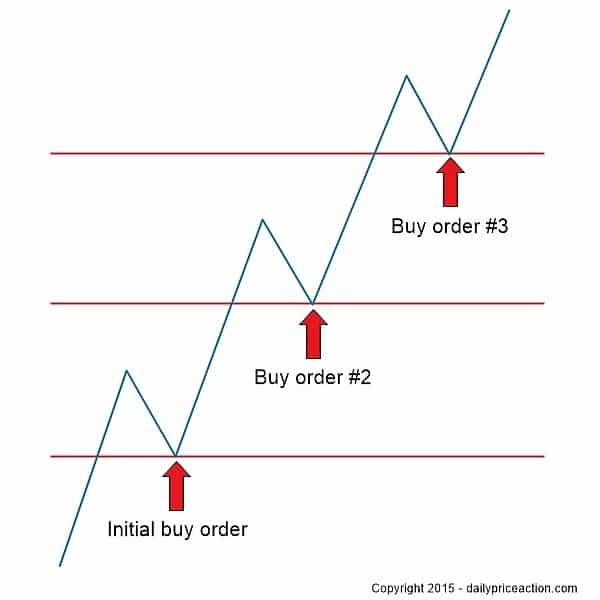
Establishing clear trade selection criteria is essential for identifying high-probability trades. Factors to consider include market conditions, economic news, and technical indicators. Many successful traders rely on technical analysis tools, such as moving averages and oscillators, to spot trends and price reversals.
Additionally, incorporating fundamental analysis can provide insights into economic cycles and market sentiment. By evaluating economic indicators like GDP growth, employment rates, and inflation data, traders can gauge the strength of a currency and determine optimal entry and exit points.
Ultimately, the goal of trade selection criteria is to filter out lower-quality trades while focusing on those with the highest potential for success.
Psychological Factors in Trading

The psychological aspect of trading is often overlooked but plays a significant role in a trader’s success. Emotions such as fear and greed can lead to irrational decisions, causing traders to deviate from their strategies. To combat this, traders must develop emotional discipline and resilience.
Practicing mindfulness and self-awareness can help traders recognize emotional triggers and respond more rationally. Creating a trading journal to document trades and emotions can also aid in identifying patterns in behavior, allowing for better emotional management in future trades.
Moreover, setting realistic expectations and accepting that losses are part of trading can foster a healthier mindset. By developing psychological fortitude, traders can maintain consistency and confidence in their strategies.
Analysis Methods in Forex Trading

To succeed in forex trading, traders need to employ effective analysis methods. The two primary types of analysis are fundamental and technical, each providing unique insights into market movements.
Fundamental Analysis Overview

Fundamental analysis involves evaluating a country’s economic conditions to forecast currency value fluctuations. Key indicators include interest rates, inflation, employment figures, and geopolitical events. For instance, central bank announcements regarding interest rate changes can significantly impact currency values.
Traders who employ fundamental analysis often follow economic calendars to stay informed about upcoming reports and events that could influence the market. By understanding the broader economic landscape, traders can make informed decisions about which currency pairs to trade.
For example, if the U.S. economy is showing signs of robust growth, the U.S. dollar may strengthen against other currencies, presenting a potential trading opportunity. Likewise, negative news or uncertainty surrounding a particular country can lead to depreciation in its currency.
Technical Analysis Overview

Technical analysis, on the other hand, focuses on historical price movements and market trends to predict future price action. Traders use charts and various technical indicators—such as support and resistance levels, moving averages, and Fibonacci retracements—to identify patterns and make trading decisions.
One of the benefits of technical analysis is its ability to apply to any time frame, whether short-term or long-term. This flexibility allows traders to adapt their strategies based on their preferred trading style, whether they engage in scalping, day trading, or swing trading.
Moreover, technical analysis fosters a visual understanding of market dynamics, enabling traders to spot trends and reversals more easily. By combining technical analysis with risk management techniques, traders can develop effective trading plans.
Sentiment Analysis in Forex

Sentiment analysis assesses the mood of the market participants—whether they are bullish or bearish—based on recent price movements and trading volumes. Traders can utilize sentiment indicators, such as the Commitment of Traders (COT) report, to gauge market sentiment and make informed trading decisions.
Understanding market sentiment is crucial, as it often precedes price movements. For instance, if there’s widespread optimism about a currency, it may indicate potential upward pressure on its value. Conversely, extreme pessimism may lead to further declines.
By integrating sentiment analysis into their strategies, traders can gain additional insights into market dynamics, increasing their likelihood of making profitable trades.
Developing Your Forex Trading Plan

A solid trading plan serves as the foundation for successful forex trading. It outlines your goals, trading styles, and risk management parameters, ensuring that you approach the market with clarity and purpose.
Defining Your Goals and Objectives

Before starting your forex trading journey, it’s important to define your goals and objectives. Are you looking for short-term gains, or do you aim for long-term wealth accumulation? Establishing clear objectives helps you tailor your trading plan accordingly.
Consider factors such as your risk tolerance, available capital, and time commitment. Your goals should be realistic and achievable, serving as benchmarks for measuring your progress. Regularly revisiting and adjusting your objectives can also keep you focused and motivated.
Choosing a Trading Style

Selecting a trading style is a critical component of your overall trading plan. Different styles cater to varying time commitments and risk appetites. Some common trading styles include:
- Scalping: Involves making quick trades to capitalize on small price movements. Scalpers typically hold positions for seconds to minutes.
- Day Trading: Involves opening and closing trades within the same day, avoiding overnight exposure to market risks.
- Swing Trading: Focuses on capturing larger price moves over several days or weeks, allowing traders to take advantage of market swings.
- Position Trading: A long-term strategy where traders hold positions for weeks or months, relying on fundamental analysis to guide their decisions.
Your choice of trading style should align with your personality, lifestyle, and financial goals. Experimenting with different styles can help you discover what works best for you.
Setting Realistic Profit Targets

Setting realistic profit targets is essential for maintaining a balanced outlook on trading. While it’s tempting to aim for large profits, it’s important to consider market realities and avoid overextending yourself.
Profit targets can be defined using various methods, such as applying the risk-to-reward ratio discussed earlier. Consider factors such as market volatility, average price movement, and historical performance when establishing your targets.
Having clear profit targets encourages discipline and helps you manage trades effectively. It also enables you to assess your performance objectively, enhancing your learning and development as a trader.
Popular Forex Trading Strategies

There are numerous forex trading strategies employed by traders around the world. Each has its unique advantages and challenges, catering to different trading styles and market conditions.
Scalping Strategy Explained

Scalping is a popular trading strategy among traders seeking quick returns on investment. It involves executing multiple trades within a short time frame, usually targeting small price changes. Scalpers rely on high trading volume and leverage to maximize their profits.
Successful scalping requires a keen understanding of market dynamics, rapid execution capabilities, and strict discipline. Traders often utilize technical analysis tools and set tight stop-loss orders to protect their capital from unexpected price movements.
While scalping can be lucrative, it also entails higher transaction costs due to frequent trading. Therefore, it’s essential to weigh the potential rewards against the associated risks before adopting this strategy.
Day Trading Strategy Overview

Day trading involves opening and closing positions within the same trading day. This strategy requires traders to monitor the market closely, taking advantage of intraday price fluctuations. Day traders often use technical analysis, chart patterns, and market news to identify trading opportunities.
To succeed in day trading, traders must be agile and decisive, ready to react to changing market conditions quickly. Establishing daily profit and loss limits helps manage risk and prevent emotional decision-making.
While day trading can yield substantial profits, it can be challenging for those new to the forex market. Aspiring day traders should practice on demo accounts and refine their strategies before committing real capital.
Swing Trading Strategy Insights

Swing trading is a medium-term trading style that seeks to capitalize on price swings or trends over several days or weeks. Swing traders analyze both technical and fundamental factors to identify potential entry and exit points.
This strategy appeals to traders who prefer a less intensive approach compared to scalping or day trading. Swing traders often utilize technical indicators, such as moving averages and trendlines, to determine optimal trade setups.
Although swing trading requires patience and discipline, it can be highly rewarding for those willing to invest time in analysis and planning. Traders should focus on proper risk management to protect their capital during adverse market movements.
Position Trading Strategy Details

Position trading is a long-term strategy that involves holding trades for weeks or months. This approach relies heavily on fundamental analysis, allowing traders to assess the overall economic environment and market trends.
Position traders prioritize economic indicators, geopolitical events, and monetary policy shifts to inform their trading decisions. They tend to focus on major currency pairs, aiming for significant price movements over extended periods.
While position trading can result in considerable profits, it also requires traders to withstand market volatility and prolonged drawdowns. Employing sound risk management practices and staying informed about economic developments is crucial for success in this strategy.
Tools and Resources for Forex Traders

Equipping oneself with the right tools and resources is essential for effective forex trading. From trading platforms to economic calendars, these resources can enhance your trading experience and decision-making capabilities.
Trading Platforms and Software

Choosing a reliable trading platform is one of the most critical decisions you’ll make as a forex trader. A good platform should offer a user-friendly interface, advanced charting features, and access to various currency pairs.
Some popular trading platforms include MetaTrader 4 (MT4), MetaTrader 5 (MT5), and cTrader. Each platform offers unique features tailored to different trading styles. Additionally, some brokers provide proprietary platforms with specialized tools and resources.
Before selecting a platform, consider factors such as fees, execution speed, and customer support. Testing multiple platforms using demo accounts can help you find the one that best suits your needs.
Essential Indicators for Forex Trading

Utilizing the right technical indicators can significantly enhance your trading strategy. Some essential indicators include:
- Moving Averages: Useful for identifying trends and smoothing out price data.
- Relative Strength Index (RSI): Helps determine overbought or oversold conditions.
- Bollinger Bands: Indicates price volatility and potential reversal points.
- MACD (Moving Average Convergence Divergence): Assists in identifying trend direction and momentum.
Incorporating these indicators into your trading strategy can help you make more informed decisions and improve your overall trading performance.
Economic Calendars and News Sources

Staying informed about economic events and market news is vital for forex traders. Economic calendars outline upcoming reports, including GDP releases, employment data, and central bank meetings. Traders can use these calendars to anticipate potential market-moving events.
Reputable news sources, such as Bloomberg, Reuters, and CNBC, provide timely updates and analyses on global events affecting the forex market. Following reputable analysts and commentators on social media platforms can also offer valuable insights into market sentiment.
Being proactive in gathering information enables traders to adapt their strategies to changing market conditions, thereby improving their chances of achieving consistent profits.
Risk Management in Forex Trading

Effective risk management is the cornerstone of successful forex trading. Implementing sound risk management techniques protects your capital and enhances your chances of consistent profitability.
Setting Stop-Loss and Take-Profit Levels

Stop-loss and take-profit orders are crucial tools for managing risk in forex trading. A stop-loss order automatically closes a trade when the price reaches a predetermined level, limiting potential losses. Conversely, a take-profit order closes a trade once a specified profit target is reached.
Establishing these levels prevents emotional decision-making and ensures that you stick to your trading plan. Consider placing stop-loss orders below key support levels and take-profit orders at resistance levels to maximize profits.
Regularly adjusting these levels based on market conditions and price movements can further optimize your risk management strategy.
Position Sizing Strategies
Position sizing determines how much capital to allocate to each trade, impacting the overall risk of your trading account. A commonly used method is the fixed percentage rule, where traders risk a specific percentage of their account balance on each trade.
Using this approach allows traders to maintain consistent risk exposure while adapting to changes in account equity. Additionally, utilizing calculators or software tools can facilitate precise position sizing based on your chosen risk tolerance.
Implementing effective position sizing strategies can help you weather market volatility and reduce the overall impact of losing trades on your trading account.
Evaluating Market Volatility
Market volatility refers to the degree of variation in a currency pair’s price over time. Understanding volatility is essential for effective risk management, as it influences trade selection and position sizing.
Traders can utilize tools like the Average True Range (ATR) indicator to assess volatility. A higher ATR value indicates increased volatility, prompting traders to adjust their stop-loss and take-profit levels accordingly.
Being aware of market conditions can prevent adverse effects on your trading strategy and enhance overall performance.
The Role of Emotions in Forex Trading

Emotions play a significant role in trading psychology and can heavily influence decision-making. The ability to manage emotions is crucial for maintaining consistency and discipline in your trading approach.
Common Emotional Pitfalls
Traders often encounter emotional pitfalls such as fear, greed, and overconfidence. Fear can lead to hesitance in executing trades, while greed may cause traders to take excessive risks in pursuit of profits. Overconfidence, on the other hand, can result in careless trading decisions.
Recognizing these emotional triggers is the first step in mitigating their impact. By cultivating self-awareness and implementing strategies to manage emotions, traders can improve their decision-making capabilities.
Strategies to Maintain Discipline
Maintaining discipline is essential for successful forex trading. Adopting a well-defined trading plan and sticking to it reduces the chances of falling prey to emotional decision-making.
Establishing routines, such as regular trading sessions and journaling, can reinforce discipline. Keeping track of past trades and reflecting on successes and failures helps traders learn from experiences and improve their strategies.
Additionally, practicing mindfulness and stress-reduction techniques can further enhance emotional control, empowering traders to navigate the challenges of the forex market with composure.
Backtesting and Optimization of Strategies

Backtesting and optimizing trading strategies are vital steps in refining your trading approach. These methods allow traders to evaluate their strategies’ effectiveness and make necessary adjustments for improved results.
Importance of Backtesting
Backtesting involves applying a trading strategy to historical price data to determine its potential performance. By simulating trades based on past market conditions, traders can assess the viability of their strategies before risking real capital.
Thorough backtesting provides insights into winning percentages, drawdowns, and overall profitability. However, it’s important to remember that past performance does not guarantee future results, so continuous evaluation and adaptation are needed.
How to Optimize Your Trading Strategy
Optimizing your trading strategy involves fine-tuning specific parameters to enhance performance. This may include adjusting entry and exit criteria, stop-loss levels, or position sizing rules.
Using trading software or platforms that offer optimization features can simplify this process. Traders can test multiple variations of their strategies and identify the combination that yields the best results.
However, it’s crucial to strike a balance between optimization and overfitting. Over-optimization can lead to strategies that perform well on historical data but fail in real-market scenarios. Thus, maintaining a practical approach is essential for effective strategy development.
Continuous Learning and Adaptation
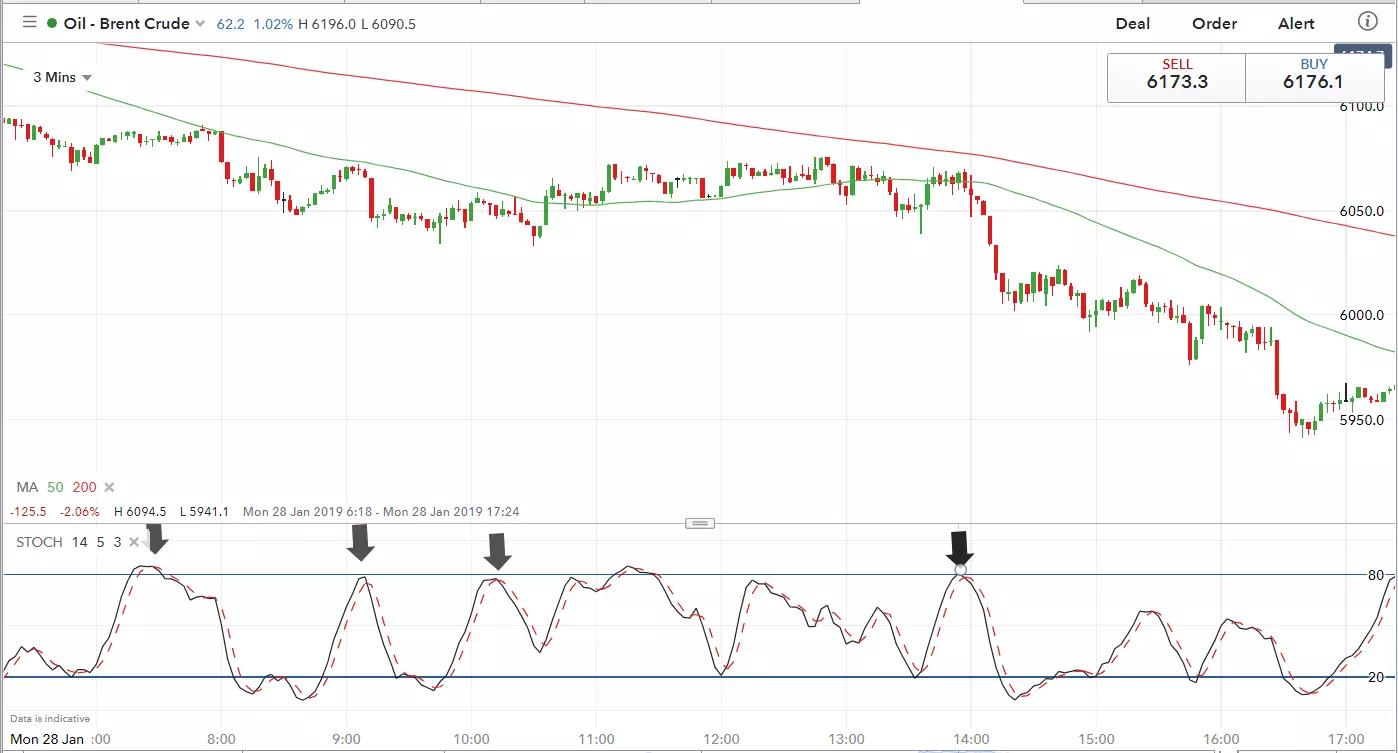
The forex market is constantly evolving, and successful traders understand the importance of continuous learning and adaptation. Staying informed about market trends and refining skills is essential for achieving consistent profits.
Staying Updated with Market Trends
Keeping abreast of market trends involves researching current economic events, geopolitical developments, and emerging technologies. Regularly reviewing news articles, attending webinars, and following influential figures in the trading community can enhance your understanding of market dynamics.
Additionally, engaging in educational forums and communities allows traders to share knowledge and insights. Learning from others’ experiences can provide valuable perspectives and inspire new trading strategies.
Staying flexible and open-minded fosters adaptability, enabling traders to adjust their approaches based on changing market conditions and emerging opportunities.
Learning from Past Trades
Analyzing past trades is a powerful tool for personal development in forex trading. Maintaining a trading journal can help you document each trade, including the rationale behind it, outcomes, and lessons learned.
Regularly reviewing your trades allows you to identify patterns in your decision-making and uncover areas for improvement. By recognizing mistakes and successes, you can refine your strategies and develop a deeper understanding of your trading behaviors.
Continuous learning fosters growth and equips traders with valuable insights, ultimately leading to improved performance in the forex market.
Building a Trading Community

Creating connections with fellow traders can provide a supportive network and enhance your trading journey. Engaging in a trading community allows for knowledge-sharing, motivation, and collaboration.
Benefits of Networking with Other Traders
Networking with other traders offers several benefits, including access to diverse perspectives, trading techniques, and insights. Joining online trading forums, attending workshops, and participating in social media groups can facilitate meaningful interactions with fellow traders.
Collaboration with experienced traders can offer mentorship opportunities, providing guidance and advice as you navigate your trading journey. Sharing successes and challenges fosters a sense of camaraderie, driving continual learning and improvement.
Additionally, building relationships within the trading community can lead to accountability partnerships, encouraging you to adhere to your trading plan and maintain discipline.
Sharing Knowledge and Experiences
Contributing to discussions and sharing your trading experiences with others can enhance your understanding of various strategies and market conditions. By sharing insights, you not only help others but also deepen your knowledge.
Participating in webinars, writing articles, or creating educational content can establish you as a thought leader in trading communities. This recognition can provide opportunities to learn from others and gain valuable feedback on your strategies.
In conclusion, active participation in a trading community enriches your trading experience and contributes to your growth as a trader.
Top 10 Forex Brokers In The World 2025 – A Comprehensive Guide to Choosing Your Trading Partner
Best Forex Strategy for Consistent Profits

In summary, finding the best forex strategy for consistent profits involves understanding various elements that contribute to successful trading. By emphasizing risk management, conducting thorough analysis, and continuously adapting your strategies, you can navigate the complexities of the forex market with greater confidence. Ultimately, cultivating discipline, emotional control, and a strong trading community will empower you to achieve your financial goals. Whether you’re exploring scalping, swing trading, or trend following, the key is to remain committed to lifelong learning and improvement. Armed with the right knowledge and tools, you can pave your way to sustained success in forex trading.